Cold & Flu Season: What If We're Asking the Wrong Question?
Here We Go Again... It's Cold & Flu Season!
Well, here we go again. The temperatures drop, the holidays approach, and suddenly we're surrounded by reminders that cold and flu season is upon us. Wash your hands. Avoid sick people. Get your shots. And whatever you do, don't let someone cough in your general direction!
But have you ever stopped to wonder why some people seem to catch every little thing going around while others sail through winter without so much as a sniffle?
What if we've been so focused on what's floating around outside our bodies that we've forgotten to pay attention to what's happening inside them?
And I'm not just talking about nutrition, immune function, or whether you're getting enough sleep. I'm talking about something that doesn't get nearly enough attention in these conversations: FEAR.
Because while we're busy worrying about every cough, sneeze, and germ-covered shopping cart, we may be overlooking two of the most important pieces of our health: the condition of our body's internal environment (our terrain) and the powerful influence of our thoughts, emotions, and spiritual well-being.
Maybe it's time to approach this season a little differently.
A healthy winter isn't just about what we're exposed to. It's about what we're cultivating within us—physically, emotionally, and spiritually.
Germ Theory, Terrain, and a Little Sordid History
Most of us grew up learning that germs cause disease. End of story. But the history behind that tidy little explanation is considerably more interesting (and a bit messier) than what we learned in school. Back in the 1800s, scientists like Louis Pasteur and Antoine Béchamp were exploring microorganisms, disease, and the conditions that influence health. Their work became part of a much larger scientific conversation about what makes us sick and, perhaps more importantly, what helps us stay well.
Today, we often hear this discussion framed as germ theory versus terrain theory, as though we must choose one or the other. Germ theory focuses on the role of microorganisms in disease, while terrain theory emphasizes the internal environment of the body and how its condition influences our response to challenges. The interesting part? Both the organism we're exposed to AND the condition of the person being exposed can matter. Our nutritional status, immune function, stress levels, sleep, and overall health help shape how our bodies respond.
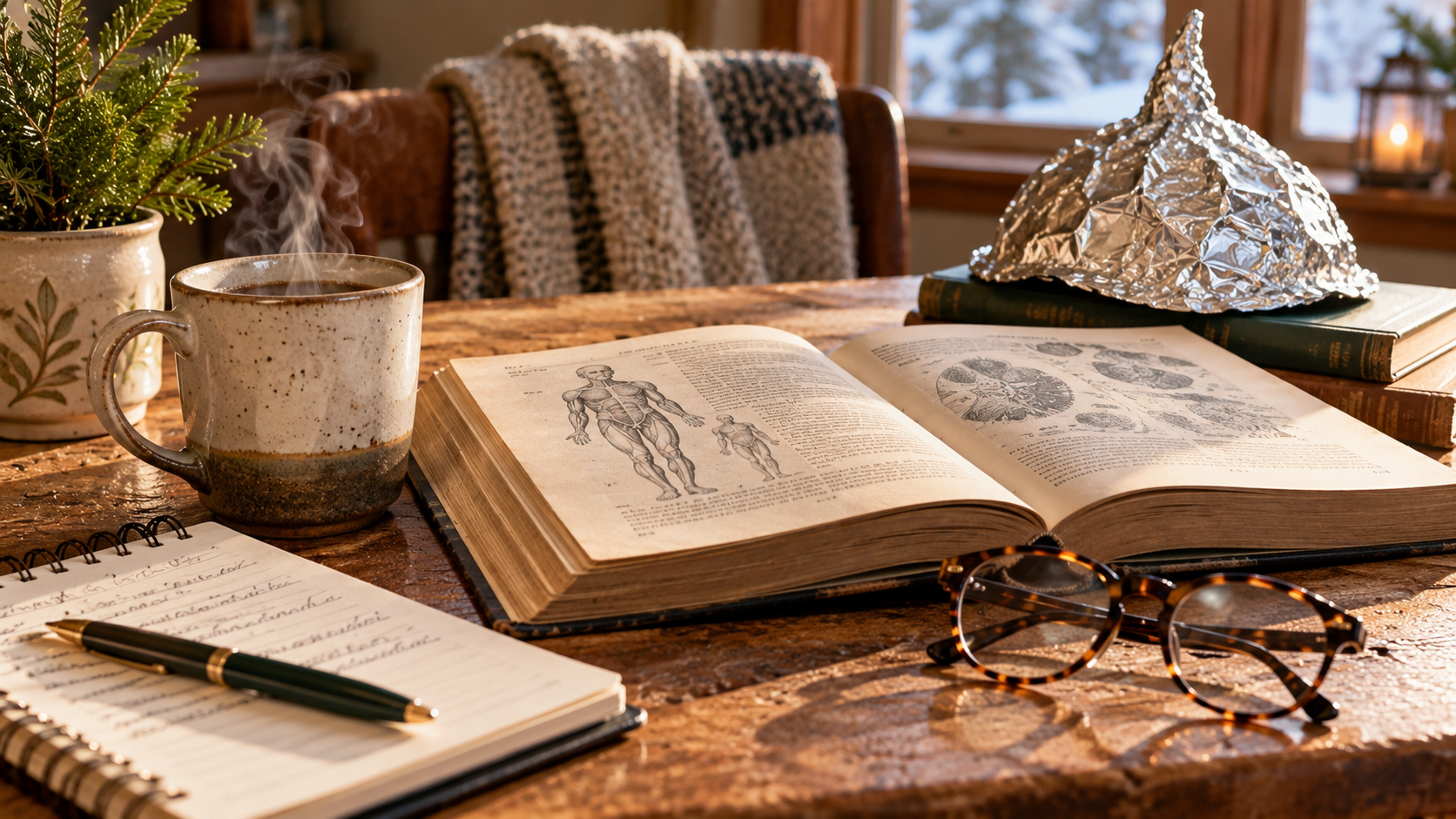
And here's where history gets particularly interesting. The personalities, competing ideas, and controversies surrounding early microbiology and virology deserve more than a few paragraphs. I've been digging into some of that history for a much larger presentation I'm putting together, and let's just say there are a few rabbit holes involved. I'll save the more provocative discussions (and possibly my tin foil hat) for that presentation. Coming soon!
For now, here's what I want you to consider: What if supporting the body's internal environment deserves just as much of our attention as managing what we're exposed to? Rather than viewing ourselves as helpless passengers waiting for the next seasonal illness, we can take an active role in supporting the systems that help us adapt, recover, and remain resilient.

Winter Changes More Than the Weather
We tend to blame the colder temperatures for everything that comes with cold and flu season, but think about what else changes this time of year. We're getting less natural sunlight, spending more time indoors, moving less, and often throwing our normal sleep schedules right out the window. Less daylight can influence our circadian rhythms, vitamin D levels, and even our mood. Add dry indoor air and poorly ventilated spaces, and our bodies are navigating a very different environment than they were just a few months earlier.
And then come the holidays! More sugar, more alcohol, heavier meals, late nights, and travel that has us bouncing between time zones, airports, and family gatherings. Now, I'm not suggesting one Christmas cookie is going to dismantle your immune system (although the entire platter might deserve a conversation). But when our usual routines disappear for weeks at a time, those accumulated changes can affect blood sugar regulation, sleep quality, inflammation, and our ability to recover from everyday stress.
Speaking of stress, let's not overlook the emotional side of this season. Financial pressures, complicated family relationships, packed calendars, grief, loneliness, and the expectation that everyone should be feeling merry and bright can create a tremendous amount of internal tension. Our nervous system doesn't neatly separate emotional stress from physical stress. When we're constantly operating in fight-or-flight mode, elevated stress signaling can interfere with restorative sleep, digestion, and healthy immune regulation. And sometimes, the holidays have us running on fumes while pretending everything is just wonderful.
So perhaps winter isn't simply a season when we're exposed to more challenges. It's also a season when we may be giving our bodies fewer of the resources they need to respond well. And when physical depletion meets emotional exhaustion, we shouldn't be surprised when our resilience isn't quite what we'd hoped.
Winter doesn't just change the environment around us. It can change the environment WITHIN us—and sometimes the heaviest thing we're carrying isn't physical at all.
Your Immune System Isn't Waiting for Winter
Here's something I wish more people understood: your immune system doesn't suddenly clock in for work when somebody sneezes next to you at the grocery store. It's been on the job all along, quietly identifying threats, cleaning up damaged cells, managing inflammation, and coordinating repair. And unlike the rest of us, it doesn't get weekends, holidays, or paid vacation. Frankly, it deserves a raise.
But your immune system doesn't work in isolation. It communicates constantly with your nervous system, digestive system, hormones, and even your emotional state. Your gut, for example, houses a tremendous amount of immune activity, while your nervous system helps regulate inflammatory responses throughout the body. Sleep provides important opportunities for immune regulation and recovery, and adequate nutrition supplies the building blocks needed to keep those systems functioning well. When one area is struggling, the effects can ripple through the others.
This is where the concept of terrain becomes so important. Two people can encounter similar circumstances (and similar microbes!), and have completely different experiences. One barely notices a thing, while the other spends a week under a blanket wondering if they'll ever see daylight again. Age, previous immune exposures, underlying health, genetics, and current physical and emotional stress all influence those differences. We aren't identical biological machines, and expecting identical outcomes makes very little sense.
The point isn't to create some perfectly maintained body that never experiences illness. That's neither realistic nor necessary. It's to recognize that the choices we make consistently—how we nourish ourselves, move, rest, manage stress, and respond to life's challenges—help shape our resilience long before winter arrives. Health isn't something we suddenly manufacture in a moment of panic. It's something we cultivate over time.
Your Winter Wellness Toolkit: Body, Mind & Spirit
So, what do we actually DO with all this information? We start by taking responsibility for what we can influence. Not by trying to create a germ-free bubble around ourselves (good luck with that!), but by intentionally supporting the body God designed to adapt, defend, and repair. And that means tending to both our physical terrain and our emotional and spiritual well-being.
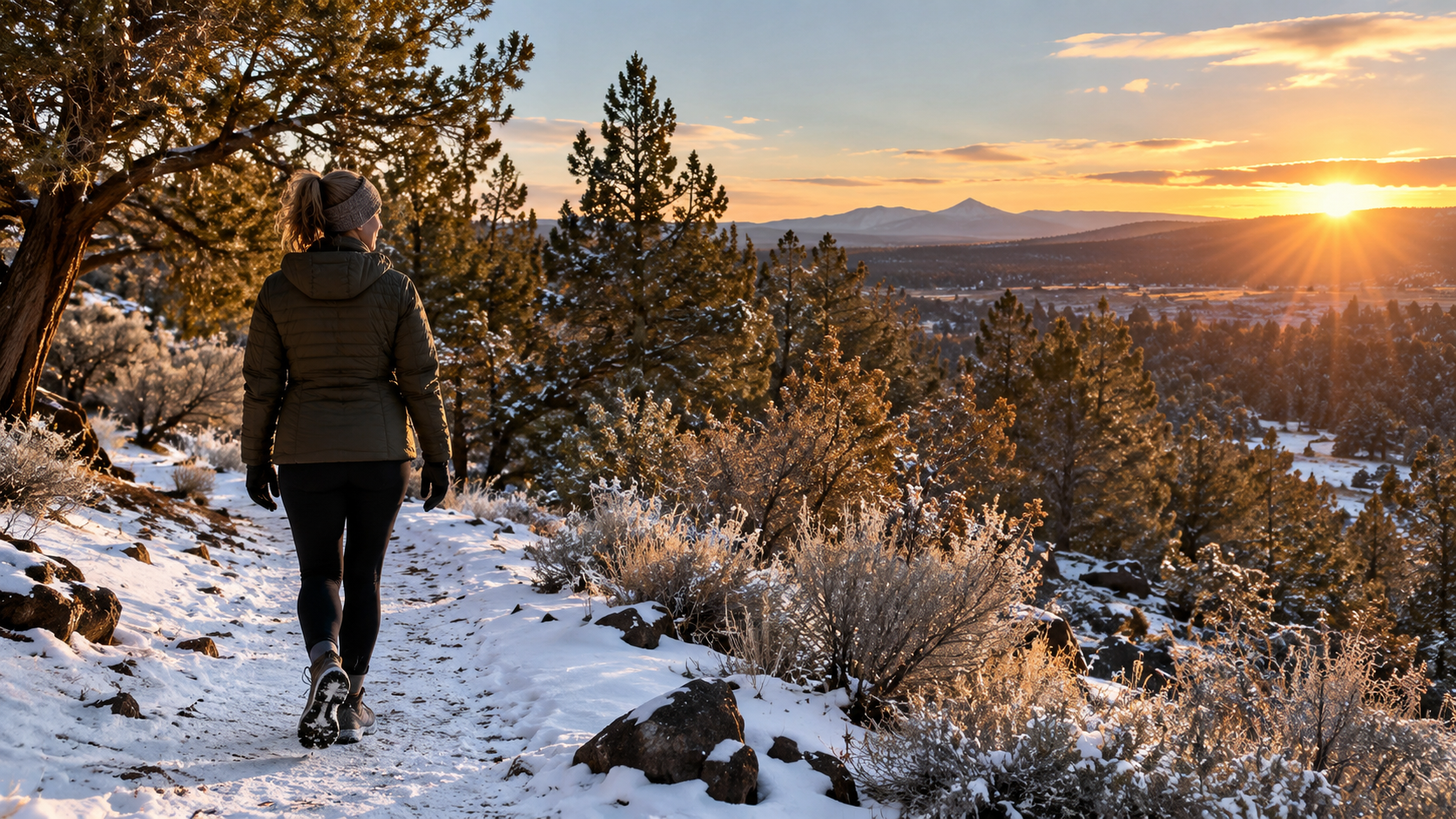
Feed your body, not just your cravings. Prioritize real, nutrient-dense foods, adequate protein, colorful vegetables, healthy fats, and hydration. Pay attention to nutrients involved in immune function, including vitamin D, zinc, and vitamin C, without assuming more is always better. Enjoy the occasional holiday treat, but don't let sugar and alcohol become the foundation of your December food pyramid. Move, rest, and get outside. Daily movement, natural daylight, consistent sleep, and time to recover aren't glamorous wellness hacks, but they help regulate inflammation, support immune function, and keep your nervous system from living in overdrive.
Now, let's talk about what's happening between your ears. You can eat all the organic vegetables, take every supplement on the shelf, and still spend your days in a constant state of fear and anxiety. Chronic stress affects cortisol signaling, sleep, digestion, and immune regulation. That's not just a mindset issue; it's physiology. And while we can't always control the circumstances around us, we can become more intentional about how we respond to them. Sometimes the most important thing we need to put down isn't the Christmas cookie. It's the worry we've been carrying around for weeks.
And for me, this goes deeper than positive thinking. Scripture repeatedly reminds us not to live under the authority of fear. "For God hath not given us the spirit of fear; but of power, and of love, and of a sound mind." — 2 Timothy 1:7 (KJV). That doesn't mean pretending risks don't exist or that faithful people never experience illness. It means we don't have to surrender our peace, judgment, or God-given responsibility for our health to fear. We can be wise without being terrified, prepared without being obsessed, and attentive without allowing every cough in the airport to steal our peace.
Maybe your winter wellness toolkit needs a few less products and a few more daily practices: nourishing meals, movement, restorative sleep, prayer, gratitude, healthy boundaries, and the courage to stop rehearsing everything that might go wrong. Because caring for your terrain means tending to the whole person—not just the parts we can measure on a laboratory report.
You cannot build resilience while continually feeding fear. Nourish the body, renew the mind, and stop handing your peace over to every cough, headline, and worst-case scenario.
A Different Conversation... and Maybe a Tin Foil Hat
If you've made it this far, you've probably figured out that I think there's a whole lot more to the cold and flu conversation than we've been led to consider. And believe me, I've barely scratched the surface! The history of germ theory, the competing perspectives on terrain, and some of the rather interesting twists and turns in medical history have sent me down more than a few rabbit holes. Some fascinating, some frustrating, and a few that might require me to dust off my tin foil hat.
In fact, I'm working on a much bigger presentation where we'll explore these questions in greater depth. I'm not quite ready to spill all the beans, but stay tuned—it's coming soon! My goal isn't to tell you what to think. It's to encourage you to think, ask better questions, examine the evidence, and remember that scientific understanding should never be beyond thoughtful examination.
And perhaps that's the most important takeaway for this winter. We don't have to live in fear of everything around us, nor do we have to pretend our daily choices don't matter. We can cultivate healthier bodies, calmer minds, and stronger spiritual foundations while exercising wisdom about the world we live in. As Scripture reminds us, "Prove all things; hold fast that which is good." — 1 Thessalonians 5:21 (KJV). That's a pretty good approach to both our health and the information we're handed, don't you think?
So this winter, let's spend a little less time worrying about what might happen to us and a little more time nurturing what's happening within us. That's abundant living.
Medical note: This article explores the relationship between immune resilience, lifestyle, stress, and emotional well-being through a functional health perspective. The concept of terrain is discussed as a way of understanding how individual physiology and overall health influence responses to illness. Supporting immune function and managing fear are important aspects of wellness, but they do not guarantee protection from illness or replace appropriate medical evaluation and care.
Sources & Further Reading
Psychoneuroimmunology: Psychological Influences on Immune Function and Health — Kiecolt-Glaser et al., 2002. Examines how psychological stress influences immune function and health.
Psychoneuroimmunology: An Introduction to Immune-to-Brain Communication — Bower & Kuhlman, 2023. Explores communication between the brain and immune system.
Sleep and Immune Function — Besedovsky, Lange & Born, 2012. Explains the relationship between sleep, circadian rhythms, and immune regulation.
The Compelling Link Between Physical Activity and the Body's Defense System — Nieman & Wentz, 2019. Reviews how regular physical activity supports immune health.
Educational Disclaimer: Content shared in The Abundant Life is provided for educational and informational purposes only and is not intended to diagnose, treat, cure, or prevent disease or replace individualized medical, mental health, legal, or other professional advice. Information reflects the educational perspectives and opinions of Abundant Health Ministries and should not be interpreted as a substitute for care from an appropriately qualified professional. Always make healthcare decisions based on your individual circumstances.